Persian Cat Care Guide: Grooming, Food and Health
Persian cats are the most popular breed in Pakistan — calm, affectionate and beautiful. But that long coat and flat face need more care than most cats. This guide covers the daily routine that keeps a Persian comfortable, clean and healthy.
Prices are Happy Tails prices at the time of writing (November 2026) and can change — the product page always shows the current price and stock.
Daily brushing — the most important habit
A Persian’s coat tangles within days and, once it mats, it pulls on the skin and often has to be shaved off. Brush every day, even for five minutes.
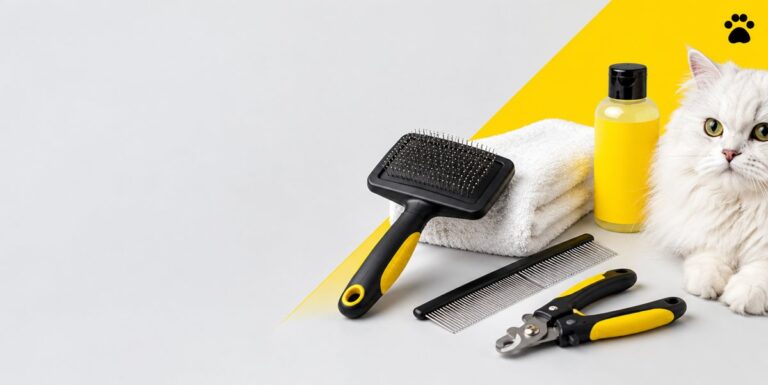
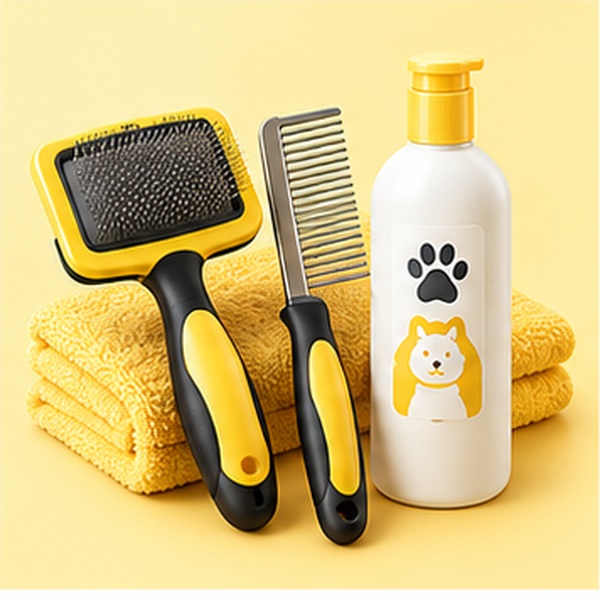
- Start with a wide-tooth or dematting comb (Rs 1,200–1,400) to gently open small knots.
- Follow with a steel grooming brush (Rs 400) or Fluff n Buff Blue Button Brush (Rs 800) down to the skin.
- Pay extra attention behind the ears, under the arms, the belly and the back legs — mats form there first.
- Never cut a mat with scissors close to the skin; Persian skin is thin and easy to nick. Tease it apart with the comb, or ask a groomer.
A self-grooming brush with catnip (Rs 1,000) on a wall corner lets your cat rub off loose fur between sessions.
Bathing a Persian
Most Persians need a bath every 4–6 weeks, or sooner if the coat looks greasy or the rear end gets dirty.
- Brush out all knots before the bath — water tightens mats.
- Use lukewarm water and a cat shampoo, such as Fluff n Buff Silky Show (Rs 650) or Dr Cat Cat Shampoo (Rs 700). Never human shampoo.
- Rinse very thoroughly — leftover shampoo causes itching and dandruff.
- Dry completely with towels and a hair dryer on low, warm setting while brushing. A Persian left damp in Karachi’s humidity can develop skin infections.
Between baths, a waterless shampoo (Rs 750) or dry clean powder (Rs 800) freshens the coat without water, and Gloss & Glide coat spray (Rs 700) makes brushing easier.
Eyes and tear stains
Because of their flat faces, Persians’ eyes water constantly and leave brown stains. Wipe the corners once or twice a day with soft cotton and an eye cleaner (Rs 1,100). For stubborn stains, a tear stain remover (Rs 1,300) or Alpha D-Stain spray (Rs 900) helps. Thick yellow or green discharge, a cloudy eye or squinting needs a vet.
Ears, nails and teeth
- Ears: check weekly and wipe the visible part with an ear cleaner. Dark, crumbly wax and head shaking can mean ear mites.
- Nails: trim the clear tips every 2–3 weeks with a cat nail cutter (Rs 600).
- Teeth: Persians’ short jaws crowd their teeth, so tartar builds up faster. Ask your vet to check them at every visit.
Hairballs
Persians swallow a lot of fur while cleaning themselves. Daily brushing is the best prevention. A hairball formula such as Josera Catelux (Rs 5,500 for 2kg) and treats like Wanpy Hairball Control creamy treat (Rs 800) also help. A cat that keeps retching without bringing anything up, stops eating or has no stool should see a vet the same day.
What to feed a Persian
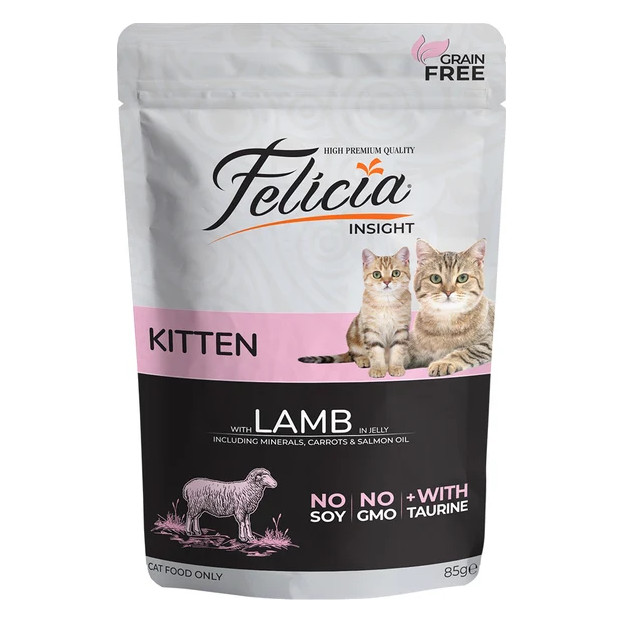
Persians do well on a good-quality complete cat food with plenty of animal protein for a healthy coat. Many Persians find small, flat or almond-shaped kibble easier to pick up with their flat faces. Adding one wet food pouch a day helps them drink enough water. Persians are not very active, so watch their weight — use a sterilised formula after neutering and follow our cat feeding chart. For brand options and prices, see best cat food in Pakistan.
Keeping a Persian cool in Karachi’s heat
A thick coat and a short nose make Persians sensitive to heat. In summer:
- Keep them indoors in the coolest room, with a fan or air conditioning during the hottest hours.
- Put out two or three water bowls and keep them full; a wet food pouch adds water too.
- Brush more often to remove the undercoat. A professional groomer can trim the belly and back in summer — do not shave right down to the skin, which removes protection from sun and heat.
- Never leave a Persian in a parked car or a closed carrier in the sun.
Fast or noisy breathing with the mouth open, drooling or weakness can be heatstroke — cool the cat with a damp towel and go to a vet immediately.
Litter box hygiene
Long fur around the rear can trap litter and waste. Keep that area trimmed short (a groomer can do this), use a low-dust clumping litter, and scoop daily. Browse our cat litter range.
Health checks for Persians
- Breathing: some snoring is normal; noisy, laboured breathing is not.
- Kidneys: Persians can inherit polycystic kidney disease (PKD). Ask your vet about screening, especially before breeding.
- Vaccines, deworming and flea treatment on the schedule your vet recommends.
- A yearly vet check — twice a year for seniors.
Weekly Persian care checklist
| How often | What to do |
|---|---|
| Every day | Brush 5–10 minutes, wipe eyes, scoop the litter box, fresh water |
| Every week | Check ears, check for mats under legs and belly |
| Every 2–3 weeks | Trim nails |
| Every 4–6 weeks | Bath and full dry; trim around the rear |
| Every year | Vet check, vaccines, teeth check |
Frequently asked questions
How often should I bathe a Persian cat?
Every 4–6 weeks for most Persians, always with a cat shampoo and a complete dry afterwards. Brushing every day matters more than frequent bathing.
Why does my Persian cat’s eye water so much?
Their flat face changes how tears drain, so watering and brown tear stains are common. Clean daily. See a vet if the discharge is thick, coloured or the eye looks red or cloudy.
Should I shave my Persian in summer?
A trim by a groomer can help, but avoid shaving to the skin. Keeping your cat indoors in a cool room with plenty of water is the most important thing.
Everything in this guide is available in our cat grooming and cat food sections, with same-day delivery in Karachi and cash on delivery across Pakistan. More tips: pet grooming basics.